
Diseases such as measles, whooping cough, meningitis, polio, and influenza can cause significant illness, hospitalization, and, in some cases, long-term complications.

The symptoms of Cyclospora can include frequent, watery diarrhea, abdominal cramping, bloating, increased gas, nausea, loss of appetite, weight loss, and fatigue. Unlike many short-lived stomach viruses, cyclosporiasis can last for weeks or may seem to improve and then return.

While the holiday is meant to be festive, it’s also important for parents to keep safety in mind to ensure the night is memorable for all the right reasons. A few simple precautions can help prevent accidents and keep your family safe while trick-or-treating.
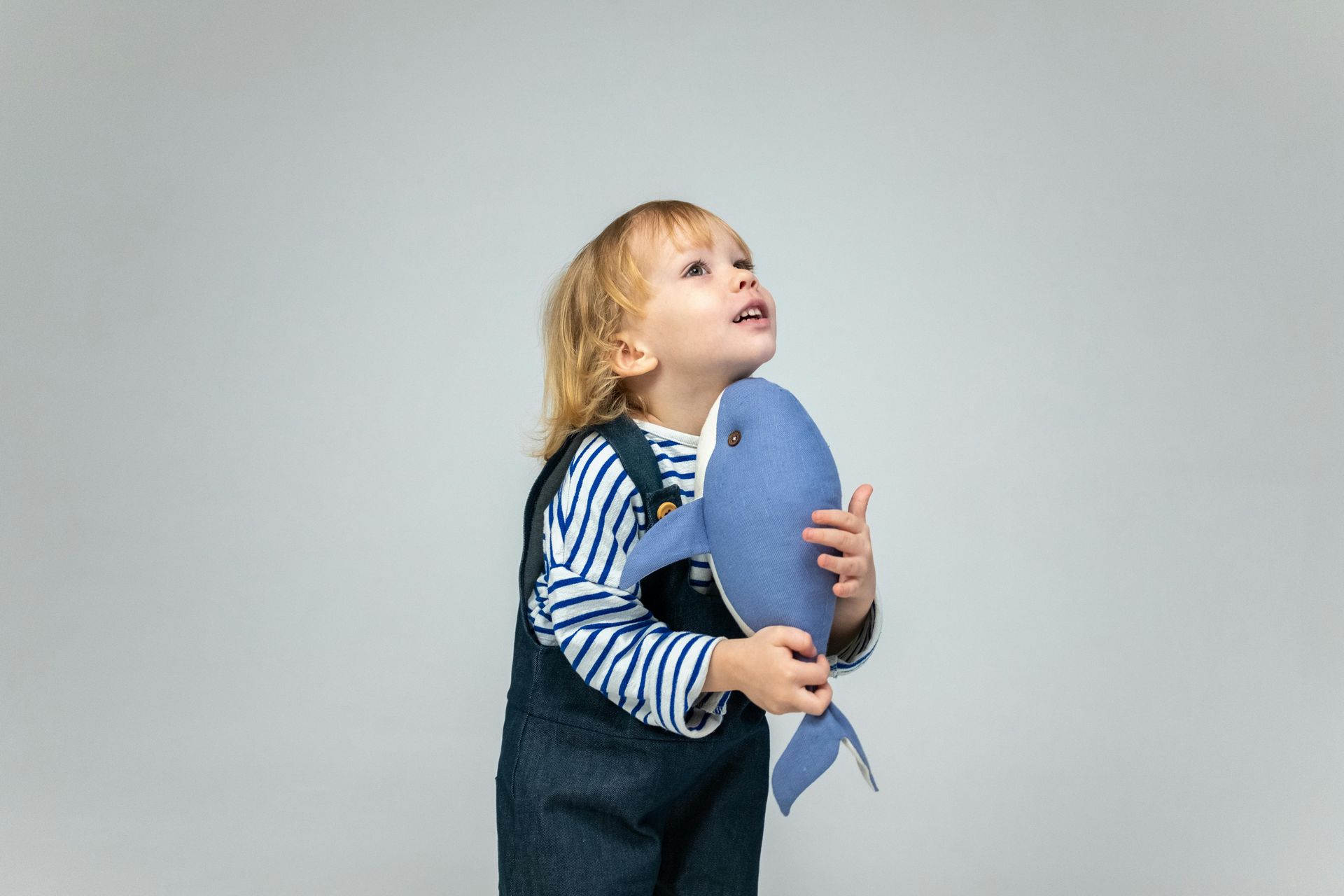
Attention-Deficit/Hyperactivity Disorder (ADHD) is one of the most common developmental conditions in children, affecting perhaps 1 in 20. Some children may struggle to focus, daydream often, or have trouble finishing tasks.

Many parents wonder if their child really needs a check-up every single year, especially if they rarely get sick. The truth is, annual well visits are about so much more than treating illness—they are about preventing problems before they start.
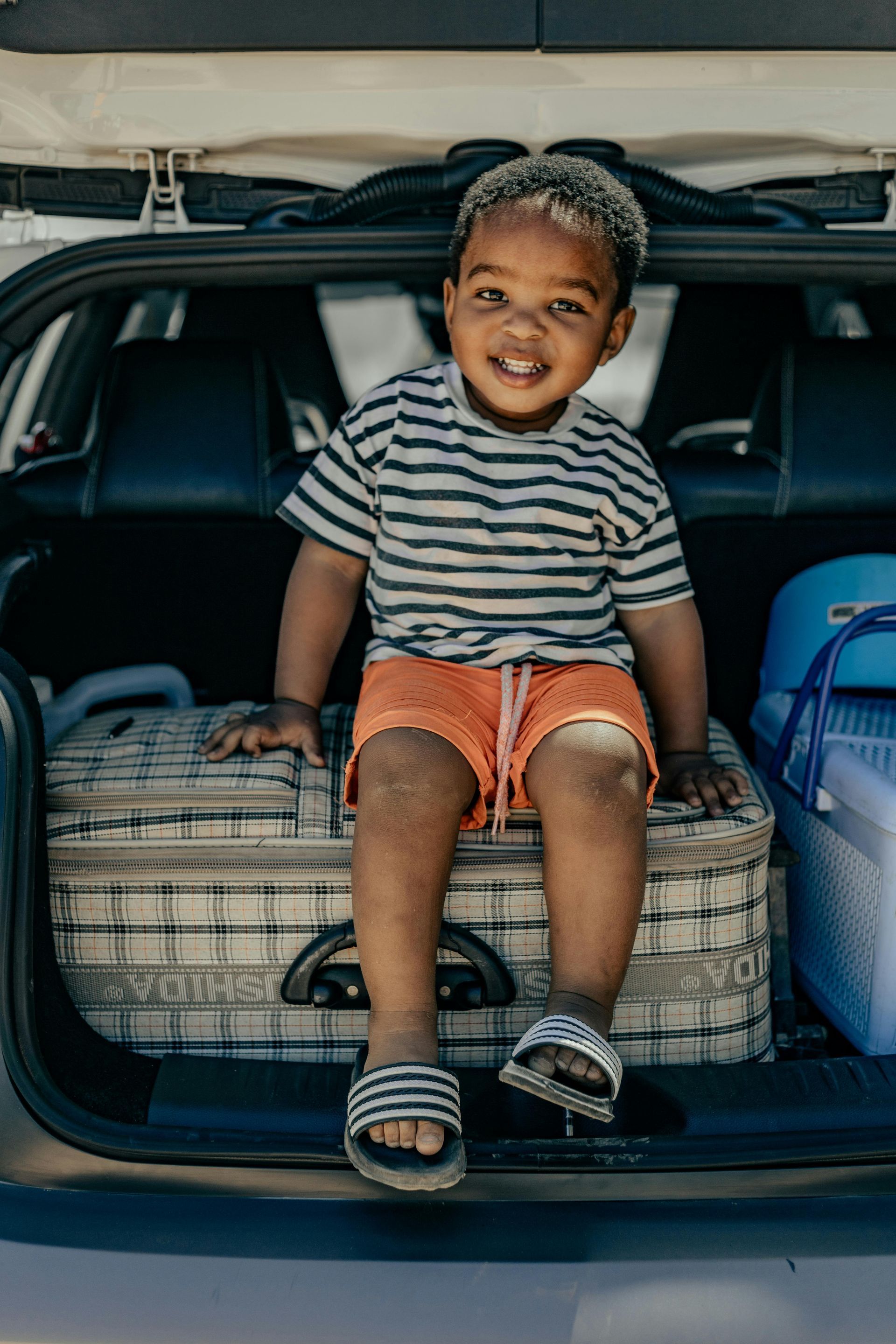
Planning a family vacation this summer? Whether you’re flying, road-tripping, or setting sail on a cruise, traveling with children doesn’t have to be stressful. At West Orlando Pediatrics in Ocoee, I often help families prepare for smoother travel—and these tips can make a big difference for all ages, from infants to t

At West Orlando Pediatrics in Ocoee, we know that summer is a time for sunshine, water play, and family fun. But it’s also when children are most at risk for preventable injuries and sunburn. As your local pediatrician, I want to share a few quick tips to keep your family safe—so you can focus on making happy memories

Managing allergies has changed quite a bit in the past 1-2 decades. Here's some helpful information!

Proper nutrition is essential for children’s growth, development, and overall health.
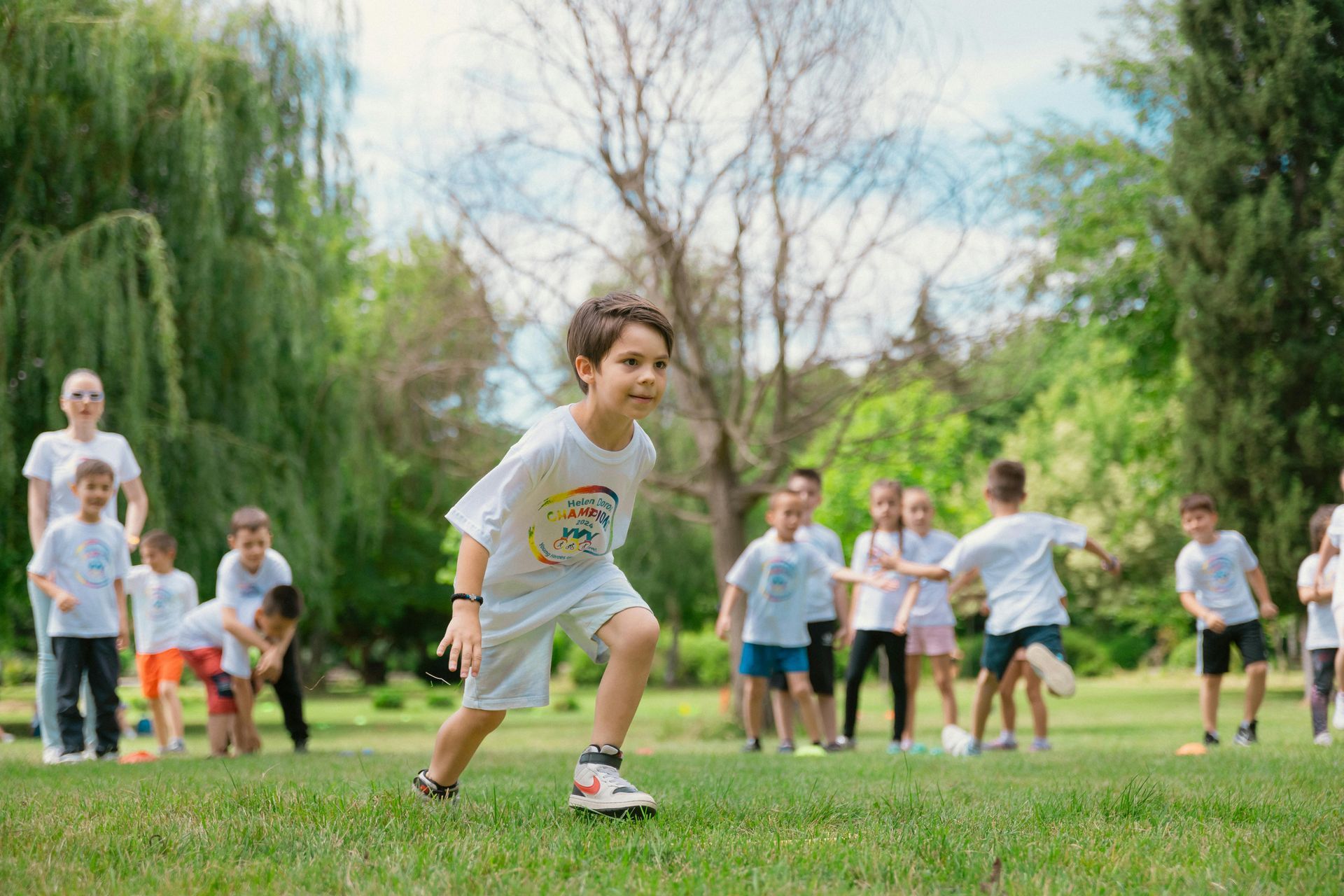
Spring is the perfect time to encourage kids to get outside, stay active, and build healthy habits.